 North Coast Development Corporation
NCDC Insight
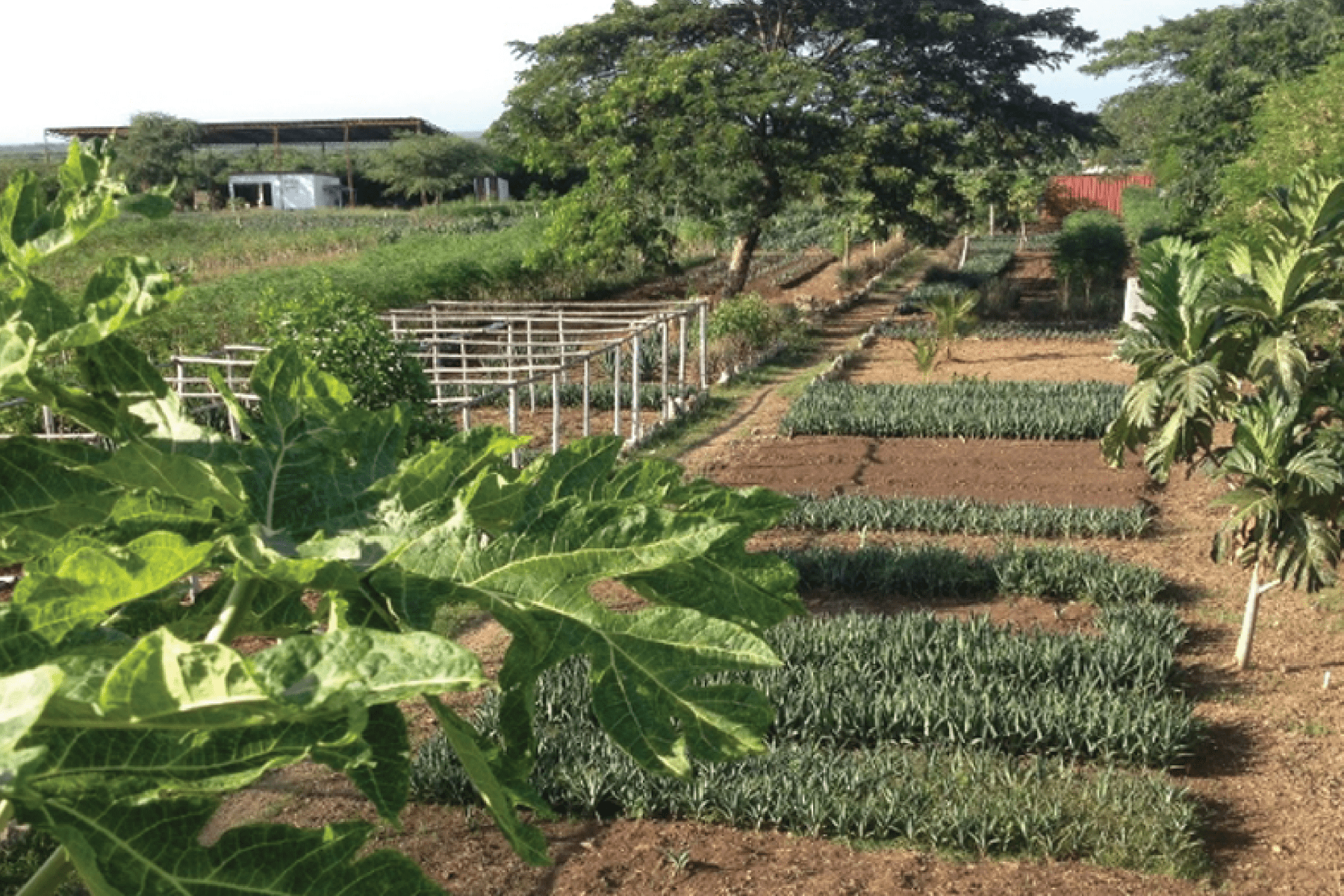
North Coast Development Corporation, S.A. is a for-profit, Haitian corporation with operations primarily located in Terrier Rouge Haiti, in the Northeast department. NCDC was conceived as a business development enterprise, engaging local citizens within the operations from management to daily labor. NCDC focuses primarily on agribusiness related operations, but also has created non-agribusiness enterprises such as sewing and candle making during its existence.
NCDC has four (4) primary components and objectives to its operating model:
- Each business segment must have a customer, either local or international.
- All components for a product must be sourced or grown in Haiti, preferably local to the northeast, including labor.
- All revenues and profits from the business(es) remain(s) in Haiti to support the operations or our non-profit friends.
- Products must be of solid, world-class quality and packaging.
NCDC’s current business segments include sisal planting and leaf harvesting for a customer in Port au Prince (SisalCo S.A.) which produces cocoa and coffee bags, ropes and twine for export to the US and Columbia, honeybee production for honey and wax for various customers, peanuts for a local customer (MFK; Meds and Food For Kids), goats for local and a national customer (Heifer International), Moringa for livestock feed and packaged sales to local customers as food supplement. We are currently in negotiations and trials with Brana S.A to grow sorghum for the production of beer. This too will be intercropped with the sisal. We also provide regular production work for a local sewing shop as an export product for a customer in the US. Our candle production, using harvested wax from our own 60 bee colonies as well as the production from surrounding bee keeper colonies, is sold as finished candles to West Elm (Williams Sonoma), Prosperity Candles, and Heifer International. We also sell candle production at the tourist shops in Labadee. The candles are 100% beeswax, scented with essential oils from Haiti such as vetiver, citronella and vanilla.
NCDC owns and /or leases 12 hectare, but does not plan to expand beyond this amount. Our model is to employ the unused lands of the local co-op (Piti Planters), which was granted a long-term lease of 6000 HA in the area surrounding us. Our program is a sisal and food intercropping, in which we give sisal plants to the local farmers in return that they sell us back the leaves as the plant matures. We cultivate and show the farmers how to plant the sisal to allow for tractors to repeatedly or seasonally intercrop the sisal, planted in long rows, with any variety of food crops of their choosing, or our choosing if the farmer permits. If it is of our choosing, it is based upon an arrangement that we secure a contract to grow commercial foods for a customer, then split the net proceeds with that farmer 50/50. During that time, it is likely that we will employ that same farmer to assist in the cultivation and harvesting, providing the farmer with the same benefits as a day-laborer currently on staff for NCDC (min wage, two meals per day, medical, etc). We currently employ several of the co-op members full-time, exposing them to our methods of farming, for a first hand understanding of our operations. Revenues for a farmer who is working with us can be from US$500 to US$1500 per hectare per year after the sisal has matured after the second year, with the first years dependent upon what food crop is planted with the maturing sisal, as the sole revenue source.
Our management structure is very simple and departmentalized, where we have a lead manager of admin duties, a lead manager of the farming operations. Below these two managers are supervisory people who have responsibilities for the sisal, bees, sewing, candles, moringa, goats, etc. below these supervisory managers, there is a team or individuals who are responsible who are directed by the supervisor of that segment. There are various pay grades depending on tasks and degrees of difficulty or tenure. All positions report to Andy English, executive director and shareholder of NCDC. We currently employ a total of 30 local people, of which 5 are women, and one has a physical handicap. This does not include the sewing operation.
Our non-profit partners include Esperanz et Vie health clinic in Terrier Rouge, St. Bartholemy private school in Terrier Rouge, Helping Haitian Angels orphanage in Cap Haitien, and Jatropha Pepinye in Terrier Rouge. We have received some funding in the past from the Clinton Foundation to start the sisal nursery, but all other funding if from private funds from the shareholders. In additional to financial support for these organizations, we also engage and pay for their services (i.e the clinic), offer and teach their students or attendees on farming methods, and plan to employ these future farmers once they are of legal working age. We also teach the local farmers who receive bees, goats, sisal, or seeds of specific plants on our methodologies and techniques. We have regular working-visits from groups of students from Purdue University, Heifer International continuing-education programs, and will host interns from the local agronomy schools and universities this next year.
Sisal
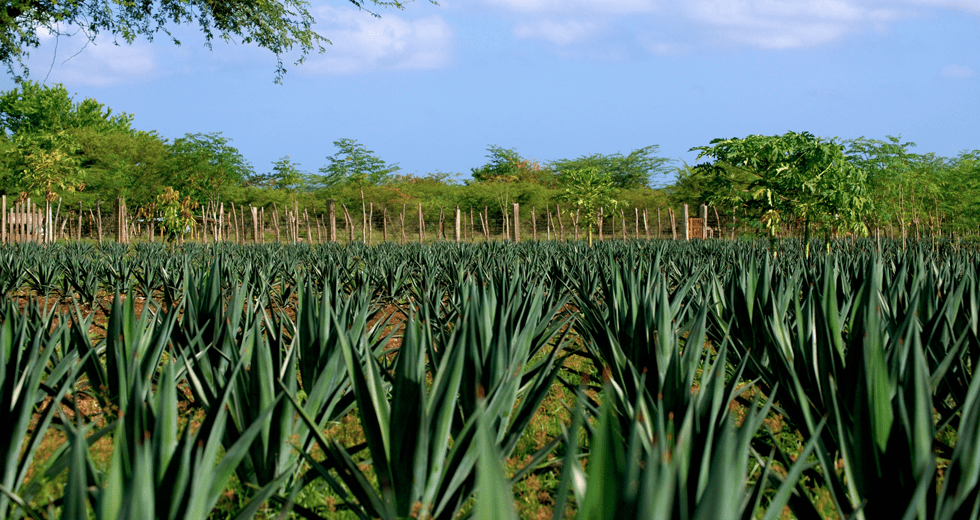
Sisal production is a major part of our agricultural emphasis for the north coast region of Haiti. Sisal is a plant that tolerates heat and drought well. Its leaves produce a strong natural fiber for rope, rugs, wall paper and many other useful items. Sisal plants live and produce leaves for about 10 years. All during the plants life it shoots out infants from its roots. At the end of the plants life, it produces a stalk about 15 feet tall with flowers and hundreds of infant plants, making it an extremely reproducible and abundant resource of fiber. The waste that is produced from the decortication process is excellent animal feed or fertilizer. We are using the waste produced today to feed our goats in the current drought being experienced in the northern region. What a blessing this plant is to animals and humans alike.
We are in partnership with our Haitian friends at Sisalco to eventually grow and decorticate over 3000 hectares of sisal fiber. This is a very ambitious but possible goal with help from the Clinton Foundation and the Haitian government, and co-operation with the small farmers association. Our process is to grow infant plants on North Coast Farm to give to small farmers across the region. After maturity in 2 to 3 years, we will buy back leaves from the plants, decorticate the fiber and then resell to Sisalco who produces the sisal products, and who has an ongoing and growing market for these products. We will work with the farmers to plant intercrops such as beans, peanuts, sorghum, and other market crops so they can begin to earn money before, during and after the sisal plants maturity. To assist the small farmers and land holders prepare their land, we received the generous gift of a tractor by the Clinton Foundation. To till the land owned by the Haitian government, we hope to have the use of heavy equipment available in Haiti.
Our sisal project is moving forward one small farm at a time. As neighbors and officials begin to see our progress, more excitement and interest is developing. We have high hopes for sisal and the Northern Region.
Beekeeping
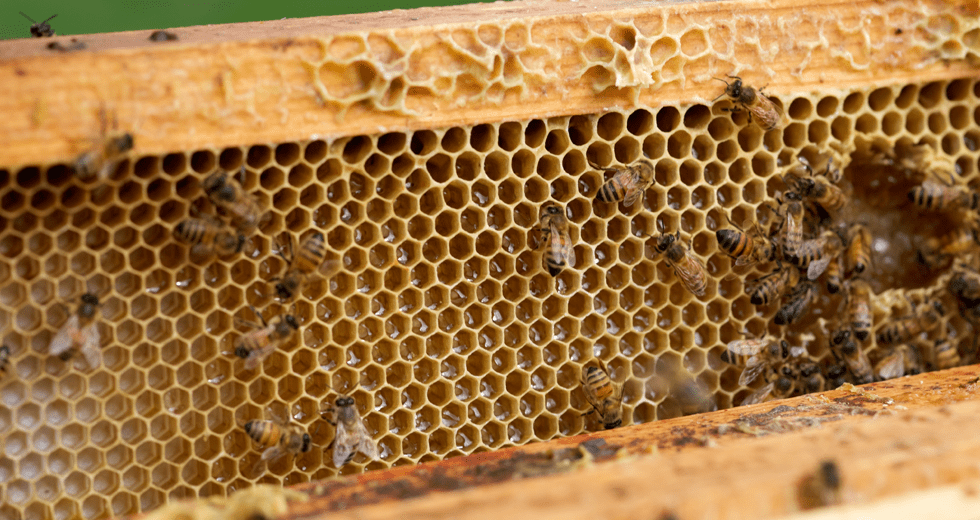
Almost every farmer in northern Haiti is a beekeeper. Through training in good hive management techniques, we have helped these farmers increase the yield and quality of their honey and wax. At our farm, we have trained our staff to clean the wax and honey, make beeswax blocks, and candles for retail sale. Our brand, Honey from Haiti, is in great demand among the many visitors we have each day at our farm.
Livestock
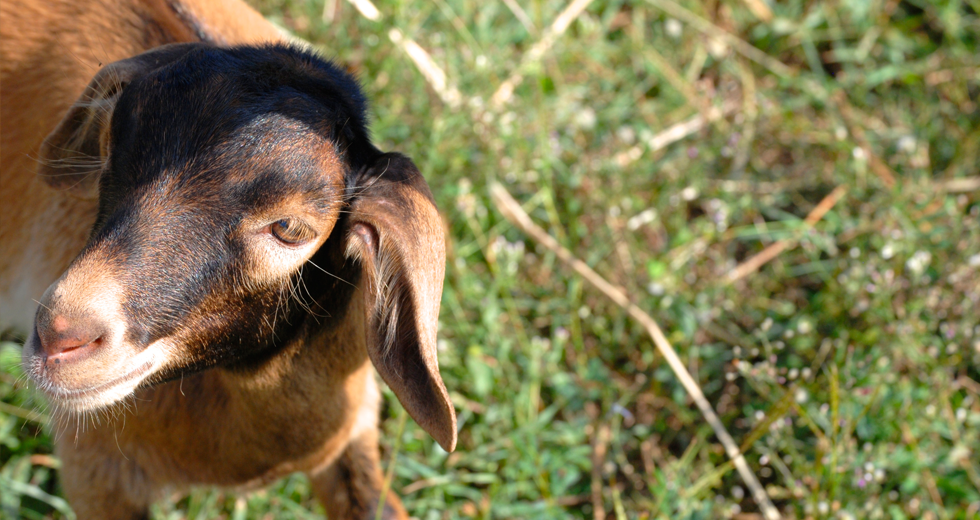
The northeast region of Haiti has a long history of goat farming. NCDC is proud to be a partner with Heifer International in developing a breeding center for better quality goats. The purpose of the center is to breed more robust animals for local farm families and to train in proper methods of animal husbandry. The skills learned through this center will aid in developing a strong and competitive food production industry in Haiti.
Boutique

We have extended our commitment to creating sustainable jobs to the seamstresses in the community of Terrier Rouge. During our search for those seamstresses, we hired Theona, a woman with passion to teach proper sewing techniques to other Haitians. NCDC has furnished a building, old-fashioned treadle sewing machines operated with a foot pump, fabric, and the accessories for Theona’s shop. Theona has employed a number of seamstresses from the community and manages the daily operations at the shop. The following images are items that Theona’s shop has made.

 North Coast Development Corporation